
Introduction
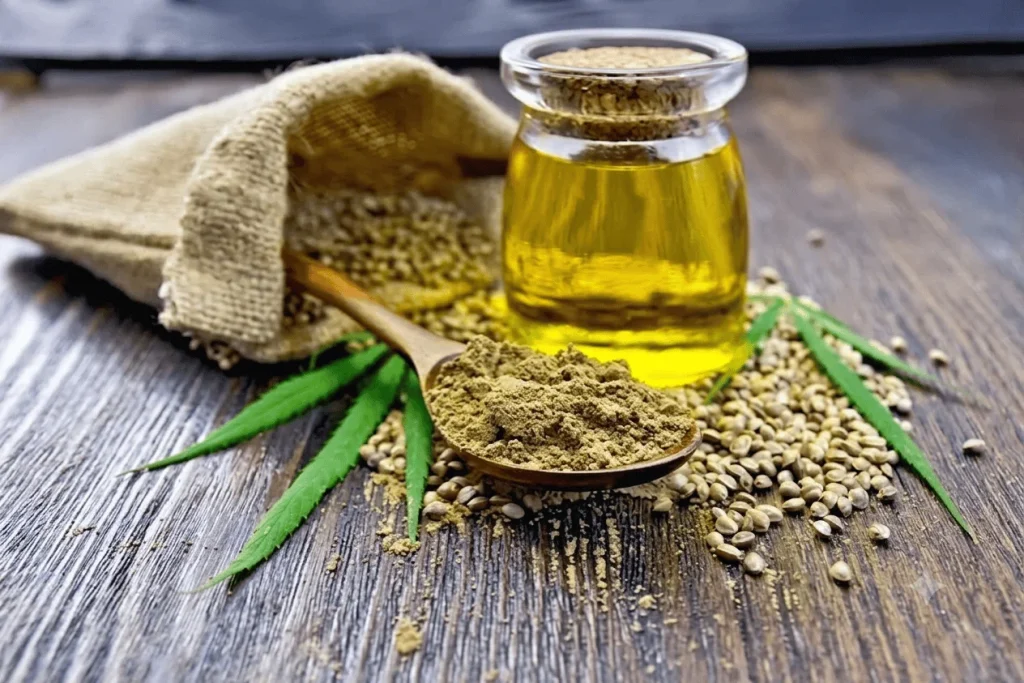
Hemp seed oil is a plant-derived oil made by cold-pressing the seeds of the hemp plant, a variety of Cannabis sativa grown for industrial and nutritional uses rather than intoxicating effects. It is popular in supplements because it provides a natural source of essential fatty acids, vitamin E, and other lipid compounds that fit well into wellness-focused formulas. Unlike CBD oil, hemp seed oil does not contain meaningful amounts of cannabidiol or THC, which makes it appealing for people who want a food-based ingredient with a clean, non-intoxicating profile. It is commonly included in softgels, liquid oils, skin-support supplements, and blend formulas designed for cardiovascular, skin, and general nutritional support. For a broader overview, see hemp research.
What Is Hemp Seed Oil?
Hemp seed oil comes from the seeds of industrial hemp, not the flowers or leaves of the plant. The oil has a long history of use as both a food and a functional ingredient, especially in regions where hemp has been cultivated for fiber and nutrition. Modern supplement manufacturers use cold-pressed hemp seed oil to preserve its fatty acid profile and naturally occurring antioxidants. Because it is rich in polyunsaturated fats and has a favorable omega-6 to omega-3 ratio, it is often positioned as a simple, plant-based nutritional oil for everyday wellness. You can also review its nutrients.
How Does Hemp Seed Oil Work?
Hemp seed oil works mainly through its nutrient composition. Its primary active components are linoleic acid, alpha-linolenic acid, and smaller amounts of gamma-linolenic acid, along with tocopherols such as vitamin E. These fatty acids help provide essential dietary lipids that the body cannot make on its own. They are absorbed in the digestive tract, packaged into lipoproteins, and used in cell membranes, signaling molecules, and energy metabolism. Research suggests that this combination may help support skin barrier function, cardiovascular balance, and a healthy inflammatory response. For related heart data.
Potential Health Benefits of Hemp Seed Oil
Supports Healthy Fat Intake
Hemp seed oil is valued for its balanced profile of essential fatty acids, especially omega-6 and omega-3 fats. These nutrients are important for general nutrition because the body relies on them for cell structure, hormone-like signaling compounds, and metabolic function. In a supplement, this makes hemp seed oil a practical way to add plant-based fats to the diet. For more on its broader uses.
May Support Heart Health
Hemp seed oil may help support cardiovascular wellness because its fatty acid composition is similar to other heart-friendly plant oils. Diets rich in unsaturated fats are associated with better lipid patterns than diets high in saturated fats, and hemp seed oil provides a useful source of these fats. Its omega balance is one reason it is commonly included in heart-focused nutrition products. See the cardiovascular review.
May Help Maintain Skin Barrier Function
One of the most common reasons people use hemp seed oil is its possible role in skin support. The oil’s linoleic acid content may contribute to healthier skin barrier function and moisture retention. This is why hemp seed oil appears in both oral supplements and topical products aimed at dry or sensitive skin. For a concise summary, visit the skin benefits.
May Support a Healthy Inflammatory Response
Hemp seed oil contains gamma-linolenic acid and other polyunsaturated fats that have been studied for their role in the body’s inflammatory pathways. While it is not a treatment for inflammation-related conditions, it may contribute to normal immune and tissue balance. This makes it a common ingredient in wellness formulas designed for comfort and recovery. More detail is available in the hemp overview.
May Contribute to Antioxidant Protection
Hemp seed oil naturally contains tocopherols, including vitamin E compounds, which help protect fats from oxidation. In the body, antioxidant nutrients are important because they help maintain cellular stability during normal metabolic stress. This is one reason hemp seed oil is often presented as more than just a fat source and is included in broader nutritional support formulas. You can read more in the antioxidant study.
May Support Overall Nutritional Balance
Because hemp seed oil delivers essential fatty acids in a plant-based form, it may contribute to general dietary balance, especially in people who eat few oily fish or other sources of unsaturated fats. It is commonly used to round out supplement formulas that focus on everyday wellness rather than a single targeted benefit. That broad usefulness is part of its appeal in modern nutrition products. For general background, see hemp oil.
Natural Food Sources
Hemp seed oil naturally occurs in the seeds of industrial hemp. It is most often consumed as:
- Cold-pressed hemp seed oil.
- Hemp seed oil softgels.
- Hemp oil blends in functional foods and supplements.
- Salad dressings or finishing oils in food applications.
It is different from cannabidiol products and is mainly valued for its nutrient content rather than cannabinoid content. For more on the plant’s composition, see hemp research.
Why Is It Included in Supplements?
Hemp seed oil is included in supplements because it provides a simple source of unsaturated fats that can complement formulas for skin, heart, and general wellness. It is often paired with other ingredients such as omega-3 oils, vitamin E, or botanical extracts to broaden a product’s nutritional profile. In softgels and liquid blends, it also serves as a convenient carrier oil and can improve the delivery of fat-soluble ingredients. It is also covered in the nutrient profile.
Safety and Possible Side Effects
Hemp seed oil is generally well tolerated when used as part of food or supplement products. Mild side effects are uncommon but may include digestive discomfort in some people, especially if they consume large amounts of oil. Because it is calorie-dense, overuse can also affect overall energy intake. People with seed allergies or those trying a new supplement for the first time should begin cautiously and watch for individual sensitivity. See safety notes.
Precautions and Possible Interactions
People taking blood-thinning medications, blood pressure medicines, or diabetes medications should use caution with any supplement that may affect cardiovascular or metabolic status. Although hemp seed oil is not known for strong drug interactions, its fatty acid content and possible influence on heart-related markers make professional guidance sensible for some users. Pregnant or breastfeeding individuals should ask a qualified healthcare professional before use. The same applies before surgery or when managing a chronic medical condition. For related context, review the cardiovascular evidence.
Current Scientific Research
Human studies on hemp seed oil are still limited, but existing research suggests it may support skin comfort, fatty acid status, and some markers related to cardiovascular wellness. Animal and laboratory studies have explored its antioxidant activity, lipid effects, and potential influence on inflammatory pathways, but these findings do not always translate directly to people. Overall, the evidence is encouraging for nutritional support, yet stronger clinical trials are still needed to confirm how much benefit hemp seed oil can provide in specific populations. Additional discussion appears in the antioxidant study.
Frequently Asked Questions
What is hemp seed oil used for?
Hemp seed oil is commonly used for general nutrition, skin support, and cardiovascular wellness. In supplements, it is often chosen as a plant-based source of essential fatty acids and vitamin E. See hemp oil.
Is hemp seed oil safe?
For most people, hemp seed oil is considered safe when used appropriately. Mild digestive upset can occur in some cases, and people with allergies or medical conditions should use it carefully. More detail is in the safety review.
Can hemp seed oil be taken every day?
Yes, it is often used daily in food and supplement routines. Since it is a source of dietary fat, it should be used in moderation as part of an overall balanced diet. Background information is available in hemp research.
What foods contain hemp seed oil?
Hemp seed oil is found in cold-pressed oil products, salad dressings, softgels, and some functional foods. It comes directly from hemp seeds and is not the same as CBD oil. See hemp oil.
Can hemp seed oil be combined with other supplements?
Yes, it is often combined with omega-3 oils, vitamin E, and skin or heart support formulas. These combinations may help create a broader nutritional profile in a single product. More on the ingredient profile is in nutrients.
Final Thoughts
Hemp seed oil is a useful plant-based ingredient with a strong nutritional profile and a long history as a food-derived wellness oil. Its main strengths are its essential fatty acids, vitamin E content, and versatility in supplements that support skin health, heart health, and everyday nutritional balance. Current research supports its role as a beneficial source of unsaturated fats, but it should be viewed as a supportive ingredient rather than a cure or treatment. As with any supplement, the best results come from realistic expectations, consistent use, and responsible choices guided by personal health needs. For a final overview, see hemp oil.