
Introduction
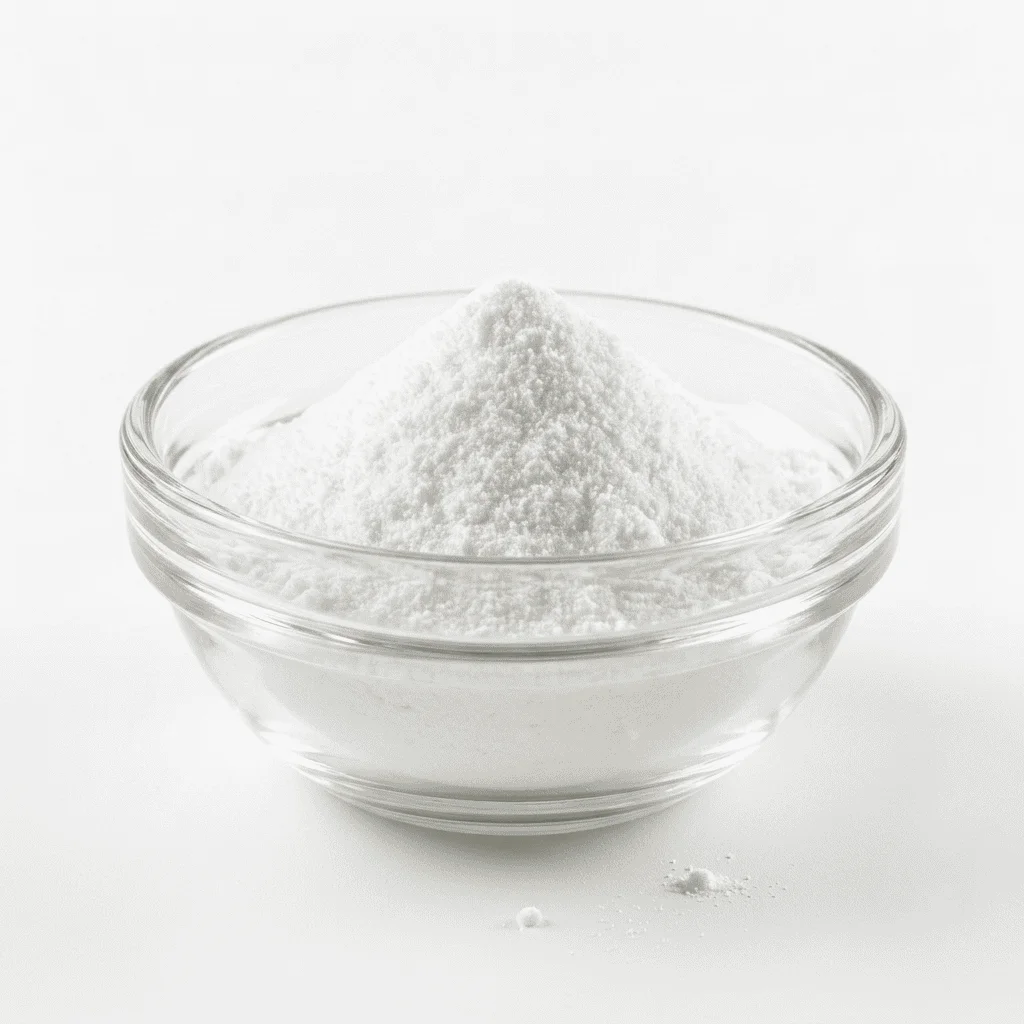
CBD isolate is a highly purified form of cannabidiol, a non-intoxicating compound found in hemp. It is popular because it delivers CBD without THC, plant taste, or other hemp compounds, making it a simple option for people who want a precise, THC-free ingredient in their routine. CBD isolate usually comes from industrial hemp and is processed until only cannabidiol remains, often in crystalline or powder form. In dietary supplements, it is commonly used in oils, capsules, gummies, and topical blends, where it serves as a focused cannabinoid ingredient rather than a broad-spectrum hemp extract. Interest in CBD isolate has grown because consumers often want a product that is easy to formulate, relatively neutral in flavor, and consistent in composition.
What Is CBD Isolate?
CBD isolate is cannabidiol in its purest practical form, typically reported at 98% to 99% purity. It is derived from hemp, Cannabis sativa L., after extraction and refinement steps remove waxes, chlorophyll, terpenes, THC, and other plant compounds. Historically, cannabidiol became better known through modern hemp and cannabis research, especially as scientists studied non-intoxicating cannabinoids for possible wellness applications. Today, CBD isolate is used in supplements for people who want CBD without the aroma, taste, or cannabinoid profile of full-spectrum products. It is also useful for manufacturers that need exact ingredient control. For a closer look at ingredient makeup, see Composition.
How Does CBD Isolate Work?
CBD isolate interacts with the body in a more complex way than many traditional nutrients, although its effects are still being studied. It does not act like THC at cannabinoid receptors in the same way, but research suggests it influences several signaling systems involved in stress response, pain perception, inflammatory balance, and neural activity. After oral intake, CBD is absorbed through the digestive tract, with absorption influenced by fat-containing carriers, and then metabolized mainly in the liver by CYP450 and UGT enzymes. Because CBD is highly lipophilic, its bioavailability can vary widely depending on the formulation. This is one reason CBD isolate is often paired with oils or emulsifiers in supplement products. Potential Health Benefits of CBD Isolate
May Support a Calm Mood
CBD isolate is commonly taken for stress-related wellness support. Human research on cannabidiol suggests it may influence serotonin-related and endocannabinoid signaling involved in emotional balance. While study results vary, CBD has been investigated for its potential to help people feel calmer in high-stress situations. See the Clinical studies overview for more.
May Help With Everyday Comfort
CBD has been studied for its possible role in supporting normal discomfort responses. Researchers believe it may affect pathways tied to inflammatory signaling and pain perception, which is why it is often included in joint, muscle, and recovery products. CBD isolate offers this potential without other hemp compounds. More on this is found in the Safety review.
May Support Sleep Quality
Many consumers use CBD isolate in nighttime supplements because CBD has been explored for its possible effects on relaxation and sleep quality. The evidence is still developing, but some findings suggest it may support the conditions that make restful sleep easier, especially when stress is part of the problem. This is discussed further in Clinical studies.
May Contribute to Inflammatory Balance
CBD has been studied for its influence on immune and inflammatory signaling. Although it should not be described as an anti-inflammatory treatment, it may help support a healthy inflammatory response, which is one reason it appears in recovery and wellness formulas. See the Isolate safety discussion for more context.
May Support Neurological Wellness
CBD isolate is of interest in brain-health supplements because cannabidiol interacts with receptors and signaling systems in the nervous system. Human research has focused more on specific medical uses than general wellness, but the broader scientific interest suggests potential support for neural balance and cognitive calm.
May Fit THC-Free Wellness Goals
For people who want hemp-based support but prefer to avoid THC entirely, CBD isolate is often the most practical option. Its purified form makes it easier to use in products where flavor neutrality, consistency, and zero-THC positioning matter. That makes it especially common in mainstream supplement and topical formulas. More detail is available in the Novel food assessment.
Natural Food Sources
CBD isolate does not occur naturally as a food in the same way vitamins or minerals do. It is extracted from hemp and refined into a concentrated ingredient. Natural hemp sources include:
- Industrial hemp flowers and aerial parts.
- Hemp extracts used in supplement manufacturing.
- Hemp-derived cannabinoid preparations.
It is important to distinguish CBD isolate from hemp seed oil, which comes from seeds and does not naturally contain meaningful CBD.
Why Is It Included in Supplements?
CBD isolate is included in supplements because it delivers a precise amount of cannabidiol without other hemp compounds. This makes it useful in capsules, gummies, tinctures, softgels, and topical products aimed at stress support, sleep routines, recovery blends, and general wellness. It is often combined with MCT oil, magnesium, melatonin, botanicals, or adaptogens, depending on the formula’s goal. For manufacturers, isolate also simplifies labeling and quality control. More on formulation and safety can be found in the Safety review.
Safety and Possible Side Effects
CBD isolate is generally well tolerated, but side effects can occur, especially at higher doses. The most commonly reported issues include drowsiness, fatigue, dry mouth, reduced appetite, and digestive upset. Because CBD is metabolized in the liver, it can affect enzymes involved in processing other compounds. Product quality also matters, since contamination or inaccurate labeling can affect safety. For regulatory context, see the Novel food review.
Precautions and Possible Interactions
CBD isolate may interact with prescription medications, especially those processed by liver enzymes such as CYP450. Caution is especially important with blood-thinning medicines, seizure medications, sedatives, and some antidepressants. People who are pregnant or breastfeeding should avoid use unless advised otherwise by a qualified healthcare professional. Extra caution is also warranted before surgery and in people with liver disease or complex medical conditions. The Isolate safety assessment discusses these concerns in more detail.
Current Scientific Research
Human studies on CBD are stronger than studies on CBD isolate specifically, because many trials examine cannabidiol in broader formulations or approved medicines. Research has explored sleep, anxiety-related symptoms, discomfort, and neurological conditions, but results are mixed and do not confirm broad wellness claims. Animal and laboratory studies suggest CBD may influence inflammatory signaling, oxidative stress, and neural pathways, which helps explain scientific interest. Overall, the evidence for CBD isolate as a supplement ingredient is promising but still incomplete, and more high-quality human trials are needed to clarify who may benefit most. A broader picture is available in Clinical studies.
Frequently Asked Questions
What is CBD isolate used for?
CBD isolate is commonly used in supplements for stress support, relaxation, sleep routines, and recovery formulas. It is also chosen by people who want cannabidiol without THC or other hemp compounds.
Is CBD isolate safe?
CBD isolate is generally considered safe for many adults, but it can cause mild side effects such as drowsiness or digestive discomfort. People taking medications should be careful because CBD may affect drug metabolism. More on this is available in the Safety review.
Can CBD isolate be taken every day?
It is often used daily in wellness routines, but suitability depends on the product, the person, and any medications they take. Regular use is best discussed with a healthcare professional, especially for long-term use. See Clinical studies for context.
What products contain CBD isolate?
CBD isolate is commonly found in oils, capsules, gummies, softgels, tinctures, and topical products. It is also used in blended supplements where formulators want a THC-free, precise cannabinoid ingredient. The Composition paper covers typical forms.
Can CBD isolate be combined with other supplements?
Yes, it is often combined with ingredients such as magnesium, melatonin, botanicals, or MCT oil. However, combinations should be chosen carefully because CBD may interact with certain medications and can increase sedation in some formulas. More guidance is available in the Novel food assessment.
Final Thoughts
CBD isolate is a purified hemp-derived ingredient that appeals to people who want cannabidiol in a THC-free, easy-to-formulate form. Its main appeal lies in its consistency, neutrality, and potential to support calmness, comfort, sleep, and broader wellness goals. Current research supports cannabidiol as an interesting compound, but the evidence for CBD isolate as a standalone supplement is still developing. It should be viewed as a supportive ingredient rather than a cure or treatment. As with any supplement, realistic expectations, product quality, and careful attention to safety matter most, especially when medications or health conditions are involved.