
Introduction
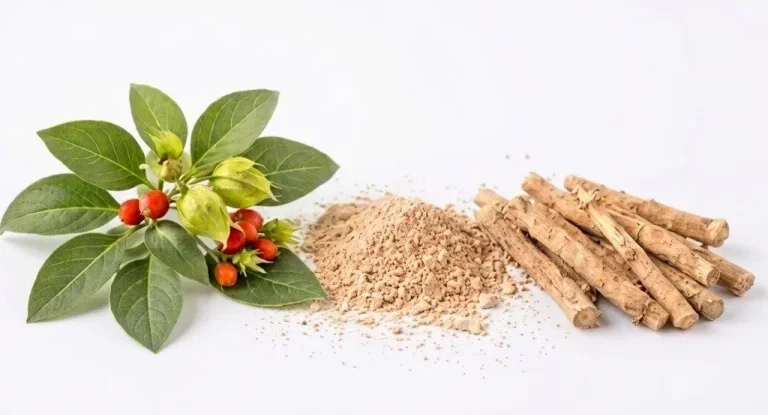
Ashwagandha is a traditional botanical derived from the root of the Withania somnifera plant, native to India and North Africa. It has gained significant popularity in the wellness community for its historical use as a natural adaptogen to support stress management. This unique ingredient is commonly included in dietary supplements to promote healthy nervous system function and overall metabolic wellness. People frequently use ashwagandha to support daily energy levels, maintain a balanced mood, and improve sleep quality. Understanding its biological functions and evidence based applications is crucial for making informed health decisions. This comprehensive guide explores the science behind ashwagandha, its potential benefits, safety considerations, and proper usage to help you determine if it aligns with your nutritional goals.
What is Ashwagandha?
Scientifically known as Withania somnifera, ashwagandha is a small shrub belonging to the nightshade family. It was first documented in ancient Ayurvedic texts over three thousand years ago, where it was revered as a rejuvenating tonic for the body and mind. Historically, traditional uses focused on promoting physical stamina, supporting cognitive health, and enhancing overall vitality. Today, modern supplement use primarily features standardized root extracts to ensure consistent concentrations of active compounds, notably withanolides. These supplemental forms are carefully designed to deliver the potential benefits of the plant without requiring the consumption of raw botanical material. It remains a highly regarded ingredient in herbal medicine for supporting daily wellness and physiological balance.
How Does Ashwagandha Work?
Inside the human body, ashwagandha functions primarily as an adaptogen, helping the body resist physical and mental stressors. Research suggests its bioactive compounds, particularly withanolides, help modulate the hypothalamic pituitary adrenal axis. This biological mechanism is believed to regulate cortisol production, thereby supporting healthy stress responses and nerve signaling. Additionally, it contains compounds that may influence GABA receptors, promoting a calming effect on the central nervous system.
Absorption of these compounds occurs in the gastrointestinal tract, with standardized extracts demonstrating reliable bioavailability. Once absorbed, the active molecules are distributed to various tissues, including the brain and adrenal glands. Metabolism and excretion occur primarily through the liver and kidneys. This complex biological mechanism supports overall systemic homeostasis and provides a scientific basis for its traditional use in promoting daily vitality and resilience.
Potential Health Benefits of Ashwagandha
Research consistently explores how this botanical contributes to cellular protection and overall metabolic wellness. Below are six specific areas where it may offer supportive benefits.
Supports Healthy Stress Management
Research suggests ashwagandha may help support healthy stress management by regulating cortisol levels. People commonly take it to assist in maintaining normal emotional balance during demanding periods. Current evidence indicates its adaptogenic properties may reduce perceived stress. Preliminary findings show it may be particularly beneficial for individuals seeking comprehensive mental support alongside a balanced diet and regular exercise routine.
Promotes Healthy Sleep Quality
This botanical is widely studied for its role in supporting normal sleep patterns and restorative rest. It is commonly used to help maintain healthy sleep onset and duration. By providing beneficial withanolides, it helps promote a calm state of mind before bed. This biological process is essential for maintaining overall neurological integrity and supporting long term cellular wellness throughout the entire human body.
Assists in Healthy Physical Performance
Many individuals use this supplement to support healthy physical performance alongside a balanced diet and regular exercise. Research suggests it may help maintain normal muscle strength and recovery times. Some studies indicate it can assist in promoting healthy oxygen utilization during physical activity. However, results vary significantly among different individuals and require consistent lifestyle habits for optimal outcomes.
Supports Healthy Cognitive Function
Preliminary evidence indicates ashwagandha may support healthy cognitive function by promoting normal memory and focus. Some research suggests its traditional use as a brain tonic is linked to its neuroprotective properties. This effect is likely tied to its broader role in reducing oxidative stress in neural tissues. Individuals often consume it to support overall mental clarity and maintain healthy daily performance.
May Help Manage Occasional Anxiety
This plant compound has been studied for its potential to help manage occasional anxiety within the body effectively. Research suggests it contains specific properties that may modulate GABAergic signaling pathways. By supporting a balanced physiological response, it may reduce the cumulative burden of daily environmental stressors. This makes it a popular choice for those seeking comprehensive relaxation and nervous system support.
Supports Overall Antioxidant Defense
Because it contains withanolides and other polyphenols, ashwagandha plays an indirect role in supporting overall antioxidant defense. These compounds help neutralize free radicals before they can damage cellular membranes. By supporting this fundamental protective process, it helps ensure tissues remain resilient against daily wear and tear. This mechanism is commonly utilized by active individuals looking to maintain robust health.
Natural Food Sources
Ashwagandha occurs naturally as a botanical root rather than a common dietary food. It is primarily sourced from specific plants in India and North Africa. Good natural sources include:
- Dried ashwagandha root powder
- Standardized root extracts in capsules
- Traditional Ayurvedic herbal preparations
Consuming these plant parts in traditional teas or modern smoothies is common, though standardized supplemental extracts are more practical for consistent daily use and precise dosing.
Why Is It Included in Dietary Supplements?
Ashwagandha is frequently included in stress relief, energy, and sleep support supplement categories. It is often paired with synergistic ingredients like L theanine, magnesium, or rhodiola to enhance overall metabolic and nervous system formulations. The primary purpose of adding it is to provide a concentrated dose of its active compounds for individuals seeking traditional botanical support. These typical formulations utilize standardized root extracts to ensure consistent potency, reliable bioavailability, and maximum absorption for the user, ensuring optimal daily tolerance.
Safety and Possible Side Effects
Ashwagandha is generally considered safe for most adults when taken at recommended supplemental dosages, typically up to 600 milligrams daily. Common mild side effects may include occasional digestive discomfort, drowsiness, or mild stomach upset, particularly when taken on an empty stomach. Higher doses should be approached with caution, as excessive intake could potentially lead to more severe gastrointestinal distress or excessive sedation. Individuals with preexisting health conditions should use particular caution when introducing this supplement into their daily routine. It is always advisable to start with the lowest effective dose to ensure optimal tolerance and mitigate any potential adverse reactions.
Precautions and Possible Interactions
This ingredient may interact with several prescription medications, particularly sedatives, thyroid medications, and immunosuppressants, potentially altering their clinical efficacy. It might also interact with medications for blood sugar or blood pressure, requiring careful medical monitoring by a physician. Pregnant and breastfeeding women should avoid ashwagandha supplements entirely, as the safety of this botanical during pregnancy and lactation has not been established. Patients scheduled for surgery should discontinue use at least two weeks beforehand. Anyone with existing medical conditions must consult a qualified healthcare professional before starting any new supplement regimen to ensure safety.
Current Scientific Research
Clinical research on ashwagandha yields promising results regarding stress management and nervous system support. The evidence points toward traditional benefits, though large scale human trials are needed to confirm efficacy across diverse populations.
Human Studies
Several human trials suggest that ashwagandha supplementation may support healthy cortisol levels and improve subjective measures of stress and sleep quality. However, robust, large scale clinical data in healthy populations remains somewhat limited and requires further investigation.
Animal Studies
Laboratory and animal studies consistently show that ashwagandha extracts exhibit adaptogenic and neuroprotective properties. Rodent models supplemented with this botanical often exhibit improved stress resilience and cognitive performance, supporting the biological mechanisms observed in traditional use.
Overall Evidence
The overall strength of current evidence suggests this ingredient is beneficial primarily for those seeking traditional botanical support for stress and vitality. More rigorous human trials are needed to confirm its long term efficacy and optimal dosing strategies.
Frequently Asked Questions
What is ashwagandha used for?
It is primarily used to support healthy stress management, enhance sleep quality, and promote overall vitality. Many people take it to assist with mood balance alongside a balanced diet and regular exercise routine.
Is it safe?
It is generally safe for most adults when consumed at recommended dosages. Mild side effects like digestive discomfort are possible. Individuals should consult a healthcare provider before use, especially if taking medications.
Can it be taken every day?
Yes, it can be taken daily as part of a regular supplement routine. Consistency is key for maintaining stable support. However, it is best to follow the specific dosage guidance provided by your healthcare professional.
What foods contain it?
It is not found in common dietary foods. It is naturally sourced from the root of the Withania somnifera plant, typically consumed as herbal teas, powders, or standardized supplemental extracts.
Can it be combined with other supplements?
It is frequently and safely combined with other wellness supplements like L theanine, magnesium, and rhodiola. These ingredients often work synergistically. Always check with a healthcare provider to ensure your specific combination is appropriate.