
Introduction
Hawthorn berry is a traditional botanical derived from the fruit, leaves, and flowers of the Crataegus tree species. It has gained significant popularity in the wellness community for its historical use as a natural support for cardiovascular health. This unique ingredient is commonly included in dietary supplements to promote healthy circulation and overall metabolic wellness. People frequently use hawthorn berry to support daily vitality and maintain a balanced physiological response. Understanding its biological functions and evidence based applications is crucial for making informed health decisions. This comprehensive guide explores the science behind hawthorn, its potential benefits, safety considerations, and proper usage to help you determine if it aligns with your nutritional goals.
What is Hawthorn Berry?
Scientifically known as Crataegus species, hawthorn is a thorny shrub or small tree native to temperate regions of the Northern Hemisphere. It was first documented in ancient traditional medicine systems across Europe and Asia. Historically, traditional uses focused on promoting digestive health, supporting cardiovascular function, and enhancing overall daily vitality. Today, modern supplement use primarily features standardized leaf and berry extracts to ensure consistent concentrations of active compounds like flavonoids and procyanidins. These supplemental forms are carefully designed to deliver the potential benefits of the plant without requiring the consumption of raw botanical material. It remains a highly regarded ingredient in herbal medicine for supporting daily wellness and physiological balance.
How Does Hawthorn Berry Work?
Inside the human body, hawthorn berry functions primarily through its rich profile of bioactive compounds, notably flavonoids, oligomeric procyanidins, and triterpene acids. Research suggests these active constituents help modulate cellular signaling pathways related to vascular function and oxidative stress. This biological mechanism is believed to support healthy blood flow by promoting the release of nitric oxide in the endothelium, which helps blood vessels relax and dilate appropriately. Additionally, the plant contains powerful antioxidants that help neutralize free radicals, protecting delicate cardiovascular structures from daily environmental damage and oxidative wear. Absorption of these compounds occurs efficiently in the gastrointestinal tract, though bioavailability can vary based on the specific extract formulation used. Once absorbed, the active metabolites are distributed to various tissues, including the heart muscle and peripheral blood vessels. Metabolism and excretion occur primarily through the kidneys and liver, supporting overall systemic homeostasis and providing a scientific basis for its traditional use.
Potential Health Benefits of Hawthorn Berry
Research consistently explores how this botanical contributes to cellular protection and overall metabolic wellness. Below are six specific areas where it may offer supportive benefits.
Supports Healthy Cardiovascular Function
Research suggests hawthorn berry may help support healthy cardiovascular function by promoting normal blood pressure levels already within the healthy range. People commonly take it to assist in maintaining optimal vascular elasticity. Current evidence indicates its flavonoid compounds may support healthy endothelial function. Preliminary findings show it may be particularly beneficial for individuals seeking comprehensive heart support alongside a balanced diet.
Promotes Healthy Lipid Metabolism
This botanical is widely studied for its role in supporting normal lipid metabolism and healthy cholesterol levels. It is commonly used to help maintain normal triglyceride profiles in the bloodstream. By providing beneficial procyanidins, it helps regulate hepatic cholesterol synthesis. This biological process is essential for maintaining overall cardiovascular integrity and supporting long term cellular wellness throughout the entire human body.
Assists in Healthy Antioxidant Defense
Many individuals use this supplement to support healthy antioxidant defense alongside a balanced diet and regular exercise. Research suggests it helps neutralize reactive oxygen species, enhancing overall cellular protection significantly. Some studies indicate it can assist in boosting the body’s natural glutathione levels. However, results vary among different individuals and require consistent lifestyle habits for optimal outcomes and sustained metabolic balance.
Supports Healthy Physical Stamina
Preliminary evidence indicates hawthorn may support healthy physical stamina by promoting normal oxygen utilization during activity. Some research suggests its traditional use as a daily tonic is linked to its ability to improve cardiac output. This effect is likely tied to its broader role in enhancing peripheral blood flow. Individuals often consume it to support overall athletic wellness and daily recovery.
May Help Manage Occasional Inflammation
This plant compound has been studied for its potential to help manage occasional inflammation within the body effectively. Research suggests it contains specific properties that may modulate natural inflammatory pathways. By supporting a balanced physiological response, it may reduce the cumulative burden of daily environmental stressors. This makes it a popular choice for those seeking comprehensive tissue support in their daily routine.
Supports Healthy Digestive Function
Because it contains dietary fiber and mild astringent properties, hawthorn plays an indirect role in healthy digestive function. Traditional use highlights its role in soothing occasional gastrointestinal discomfort. By supporting a balanced gut environment, it helps ensure the digestive system operates efficiently. This mechanism is commonly utilized by individuals looking to maintain optimal daily digestive wellness and comfort.
Natural Food Sources
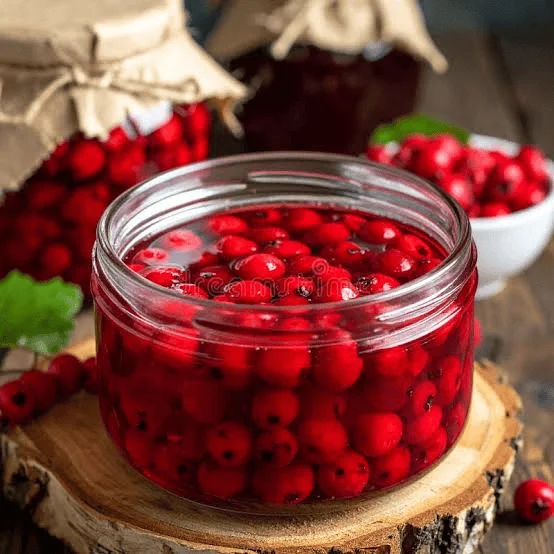
Hawthorn berry occurs naturally as a botanical fruit rather than a common dietary staple. It is primarily sourced from specific regions in temperate climates. Good natural sources include:
- Fresh hawthorn berries, which are tart and mildly sweet
- Dried hawthorn berry powder or flakes
- Traditional herbal teas and fruit preserves
Consuming these berries in traditional regional preparations is the most authentic way to obtain their nutrients, though standardized supplements offer a more practical daily alternative for consistent intake.
Why Is It Included in Dietary Supplements?
Hawthorn berry is frequently included in cardiovascular support, antioxidant, and metabolic wellness supplement categories. It is often paired with synergistic ingredients like Coenzyme Q10, magnesium, or aged garlic extract to enhance overall vascular formulations and provide comprehensive circulatory support. The primary purpose of adding it is to provide a highly concentrated dose of its unique flavonoids and procyanidins for individuals seeking traditional botanical support. These typical formulations utilize standardized leaf and berry extracts to ensure consistent potency, reliable bioavailability, and maximum absorption for the user. This strategic formulation helps maximize nutritional benefits while minimizing the potential for digestive discomfort.
Safety and Possible Side Effects
Hawthorn berry is generally considered safe for most adults when consumed in typical culinary amounts or at recommended supplemental dosages. Common mild side effects may include occasional digestive discomfort, nausea, dizziness, or mild fatigue, particularly when first introduced to the regimen. Higher doses should be approached with caution, as excessive intake could potentially lead to more severe gastrointestinal distress or unusually low blood pressure. Individuals with preexisting cardiovascular conditions should use particular caution when introducing this potent botanical into their daily routine. It is always advisable to start with the lowest effective dose to ensure optimal tolerance and mitigate any potential adverse reactions.
Precautions and Possible Interactions
This botanical may interact with several prescription medications, particularly blood pressure drugs and antiarrhythmic medications, potentially altering their clinical efficacy. It might also interact with blood thinners, requiring careful medical monitoring by a physician to prevent unexpected physiological fluctuations. Pregnant and breastfeeding women should avoid high dose medicinal supplements entirely, as the safety of concentrated extracts during pregnancy and lactation has not been definitively established. Patients scheduled for surgery should discontinue use at least two weeks beforehand to prevent unforeseen bleeding risks. Anyone with existing medical conditions must consult a qualified healthcare professional before starting any new supplement regimen to ensure safety.
Current Scientific Research
Clinical research on hawthorn berry yields promising results regarding cardiovascular and metabolic support. The evidence points toward traditional benefits, though large scale human trials are still expanding to confirm broad efficacy across diverse populations.
Human Studies
Several human trials suggest that concentrated hawthorn supplementation may support healthy blood pressure levels and improve subjective measures of vascular elasticity. Some studies also indicate potential benefits for lipid profiles and physical stamina in adults with mild metabolic challenges.
Animal Studies
Laboratory and animal studies consistently show that hawthorn extracts exhibit potent antioxidant and lipid lowering properties. Rodent models supplemented with this botanical often exhibit improved stress resilience and vascular function, supporting the biological mechanisms observed in traditional use.
Overall Evidence
The overall strength of current evidence suggests this ingredient is beneficial primarily for those seeking traditional botanical support for cardiovascular health. Researchers are actively investigating the specific molecular pathways involved to better understand its full therapeutic potential in various health contexts.
Frequently Asked Questions
What is hawthorn berry used for?
It is primarily used to support healthy cardiovascular function, enhance antioxidant defense, and promote overall vitality. Many people take it to assist with metabolic balance alongside a balanced diet and regular exercise routine.
Is it safe?
It is generally safe for most adults when consumed at recommended dosages. Mild side effects like digestive discomfort or dizziness are possible. Individuals should consult a healthcare provider before use, especially if taking medications.
Can it be taken every day?
Yes, it can be taken daily as part of a regular supplement routine. Consistency is key for maintaining stable cardiovascular support. However, it is best to follow the specific dosage guidance provided by your healthcare professional.
What foods contain it?
It is naturally sourced as a small, tart fruit from the Crataegus tree. It is typically consumed raw, as jams, in herbal teas, or as a standardized dietary supplement extract for precise daily dosing.
Can it be combined with other supplements?
It is frequently and safely combined with other cardiovascular supplements like CoQ10, magnesium, and garlic. These ingredients often work synergistically. Always check with a healthcare provider to ensure your specific combination is appropriate.