
Discover how this ancient, aromatic spice supports metabolic health and systemic wellness through powerful antioxidant mechanisms. A Complete Evidence-Based Guide to Benefits, Uses, and Safety
Introduction
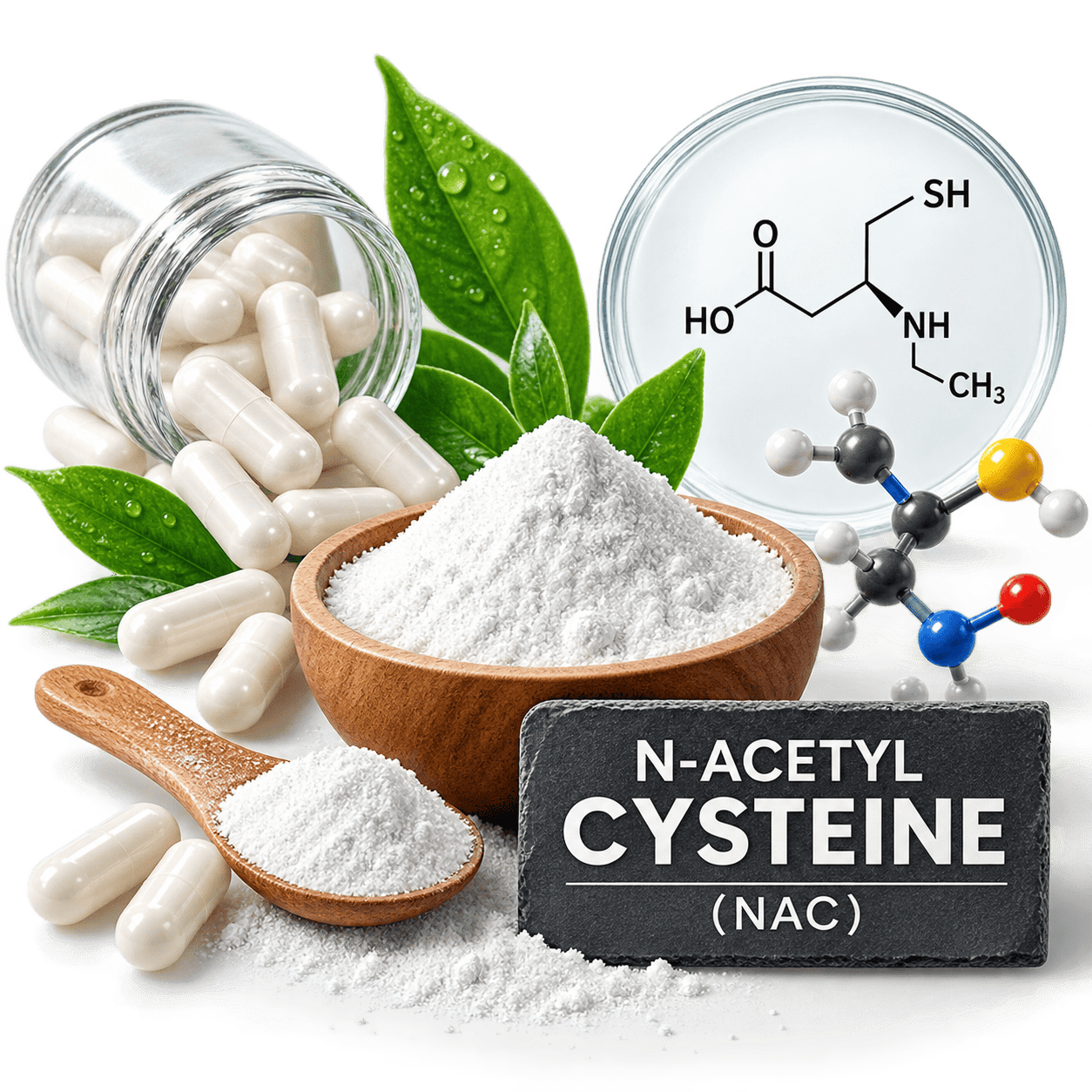
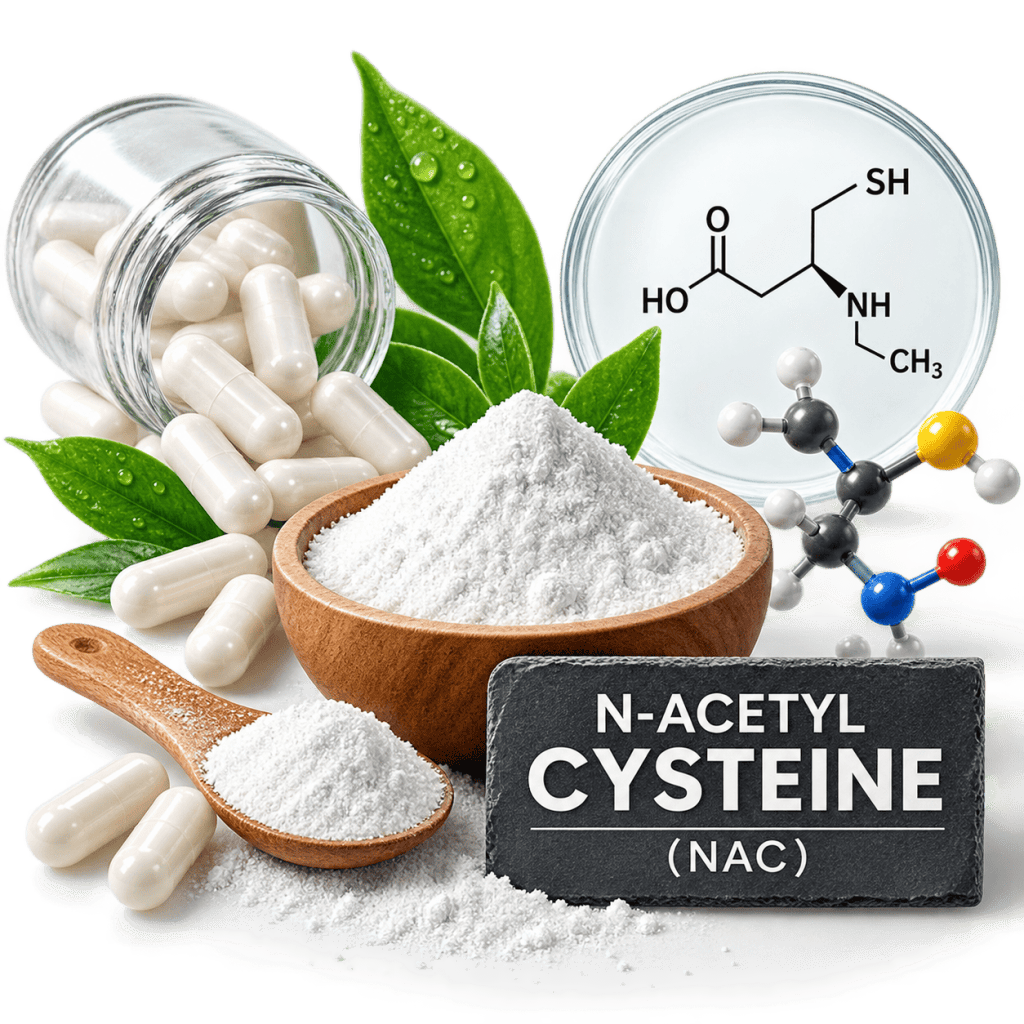
N-Acetyl Cysteine, commonly abbreviated as NAC, is a modified form of the amino acid L-cysteine that has gained significant attention in both clinical medicine and nutritional supplementation. Originally developed as a mucolytic agent to thin mucus in respiratory conditions, NAC is now widely recognized as a precursor to glutathione, the body’s master antioxidant, according to the NIH Office of Dietary Supplements . Derived from the sulfur-containing amino acid cysteine, it is commonly included in supplements targeting oxidative stress, respiratory health, and immune support. Because the body cannot always produce sufficient glutathione under stress or illness, supplemental NAC offers a direct pathway to replenish this critical molecule. Its versatility makes it one of the most researched amino acid derivatives in modern supplementation.
What Is N-Acetyl Cysteine?
N-Acetyl Cysteine is the acetylated form of L-cysteine, a semi-essential sulfur-containing amino acid. The acetyl group attached to cysteine enhances its stability and bioavailability when taken orally, as described in a comprehensive review published in Cell Journal . NAC was first synthesized in the 1960s and initially gained clinical use as a mucolytic drug to break down thick mucus in conditions such as chronic bronchitis, per the U.S. National Library of Medicine’s MedlinePlus .
Traditionally, cysteine-rich foods and sulfur-containing compounds appeared in folk remedies for respiratory complaints. In modern practice, NAC is administered both as a prescription medication and as a dietary supplement. It appears in capsule, tablet, effervescent, and powdered forms, and it is commonly marketed for antioxidant support, liver health, and respiratory wellness.
How Does N-Acetyl Cysteine Work?
Once ingested, NAC is absorbed in the gastrointestinal tract and transported to the liver, where it is deacetylated to release free L-cysteine, a conversion detailed in a review in Pharmacology & Therapeutics . This cysteine then serves as the rate-limiting substrate for glutathione synthesis. Glutathione is a tripeptide composed of cysteine, glutamate, and glycine, and it functions as the primary intracellular antioxidant in nearly every cell of the body .
Beyond its role in glutathione production, NAC itself exhibits direct antioxidant activity by scavenging reactive oxygen species and reactive nitrogen species through its free thiol group, as characterized in a review in Biochimica et Biophysica Acta . It also supports phase II detoxification pathways in the liver, helping conjugate and eliminate harmful metabolites. Additionally, NAC can disrupt disulfide bonds in mucus glycoproteins, which explains its mucolytic properties. These multiple mechanisms allow NAC to influence oxidative balance, immune signaling, and cellular protection simultaneously.
Potential Health Benefits of N-Acetyl Cysteine
Supports Antioxidant Defense and Reduces Oxidative Stress
Research indicates that NAC may help replenish intracellular glutathione levels, thereby strengthening the body’s antioxidant capacity . Individuals exposed to environmental toxins, intense physical activity, or metabolic stress often experience depleted glutathione stores. Supplemental NAC is commonly used to restore this balance. Preliminary evidence suggests that consistent supplementation may support cellular resilience against oxidative damage . This mechanism underpins much of its popularity in antioxidant-focused wellness formulations.
Promotes Respiratory Health and Mucus Clearance
NAC has been studied extensively for its mucolytic properties. By breaking disulfide bonds in mucus proteins, it may help reduce the viscosity of airway secretions and support clearer breathing . Clinical research suggests that regular NAC supplementation may reduce the frequency of exacerbations in individuals with chronic respiratory conditions. It is commonly used alongside standard respiratory care protocols, as noted in the NIH Office of Dietary Supplements fact sheet .
Supports Liver Detoxification Pathways
The liver relies heavily on glutathione for phase II detoxification reactions. NAC may help maintain adequate hepatic glutathione reserves, supporting the organ’s ability to process and eliminate toxins . In clinical settings, intravenous NAC is the standard treatment for acetaminophen overdose, underscoring its hepatoprotective potential. Oral supplementation is commonly used for general liver wellness support . This dual role explains its frequent inclusion in detoxification formulas.
May Support Immune Function
Glutathione plays a regulatory role in immune cell activity, including T-cell proliferation and cytokine signaling. Research suggests that NAC supplementation may help modulate inflammatory responses by influencing nuclear factor kappa-B (NF-κB) signaling pathways . Preliminary evidence indicates that maintaining adequate glutathione through NAC may support balanced immune defenses, particularly during periods of physiological stress. It is commonly used for seasonal immune support .
Supports Cognitive and Neurological Wellness
Emerging research has examined NAC’s potential role in supporting brain health through its antioxidant and anti-inflammatory mechanisms. Animal studies and early human trials suggest that NAC may help mitigate oxidative damage in neural tissue, as summarized in a review published in Cell Journal . It is commonly investigated as an adjunctive support for mood regulation and cognitive resilience, although further large-scale clinical trials are needed to confirm these applications.
May Aid Exercise Recovery and Physical Performance
Intense exercise generates reactive oxygen species that can contribute to muscle fatigue and delayed recovery. NAC supplementation has been studied for its potential to attenuate exercise-induced oxidative stress and support muscle repair processes, per research discussed in Pharmacology & Therapeutics . Some preliminary findings suggest it may help reduce markers of muscle damage post-exercise, though results remain mixed and require further investigation.
Natural Food Sources
NAC itself does not occur naturally in foods. However, its parent compound, L-cysteine, is found in various protein-rich sources. Dietary cysteine supports endogenous glutathione production, though typically at lower levels than supplemental NAC.
Foods rich in cysteine include:
- Poultry, particularly chicken and turkey breast
- Eggs and dairy products
- Legumes such as lentils and chickpeas
- Garlic, onions, and other allium vegetables
- Sunflower seeds and walnuts
- Cruciferous vegetables like broccoli and Brussels sprouts
Why Is It Included in Dietary Supplements?
NAC is featured across multiple supplement categories, including antioxidant formulas, respiratory support blends, liver detoxification products, and immune-support complexes . It is frequently combined with synergistic ingredients such as vitamin C, selenium, alpha-lipoic acid, and milk thistle extract to enhance overall antioxidant and detoxification capacity.
Typical formulations include standalone NAC capsules ranging from 600 mg to 1,200 mg per serving. Effervescent tablets and powdered forms are also popular for convenience. Manufacturers often include NAC in multi-ingredient stacks targeting oxidative balance, athletic recovery, or seasonal respiratory wellness.
Safety and Possible Side Effects
NAC is generally well tolerated at standard supplemental doses of 600 mg to 1,800 mg per day in healthy adults. Most clinical trials report few adverse effects at these levels. The most commonly noted mild side effects include gastrointestinal discomfort such as nausea, bloating, diarrhea, or a mild sulfurous aftertaste, according to the MedlinePlus supplement guide .
Higher doses, particularly those exceeding 2,000 mg daily, may increase the likelihood of digestive upset. Taking NAC with food can help minimize gastrointestinal symptoms. Individuals with asthma should use caution, as inhaled NAC has occasionally triggered bronchospasm, though oral forms carry lower risk . Anyone considering NAC supplementation should begin at the lower end of the dosing range.
Precautions and Possible Interactions
NAC may interact with certain medications and warrants caution in specific populations. Individuals taking nitroglycerin or other nitrate medications should consult a healthcare professional, as NAC may potentiate vasodilatory effects . Those on blood-thinning medications such as warfarin should seek medical guidance, since NAC may influence platelet aggregation in some contexts.
People managing diabetes with medication should monitor blood sugar carefully, as NAC may modestly affect insulin sensitivity. Pregnant and breastfeeding women should avoid NAC supplementation unless directed by a qualified healthcare provider, due to insufficient safety data in these groups . Individuals scheduled for surgery should discontinue NAC at least two weeks prior, and anyone with existing liver, kidney, or bleeding disorders should obtain medical clearance before use .
Current Scientific Research
Human Studies
Clinical trials have demonstrated NAC’s efficacy as a mucolytic in chronic obstructive pulmonary disease, with randomized studies showing reduced exacerbation frequency at 600 mg to 1,200 mg daily . Hepatology research confirms its critical role in acetaminophen toxicity management . Smaller trials have explored NAC for mood support, fertility, and exercise recovery, with mixed but promising preliminary results .
Animal Studies
Animal research has investigated NAC’s neuroprotective, cardioprotective, and anti-inflammatory properties. Rodent models suggest NAC may reduce oxidative markers in brain tissue following injury and support hepatic regeneration after toxin exposure . These findings provide mechanistic insight but have not yet been fully replicated in humans.
Overall Evidence
The strongest evidence supports NAC for respiratory mucus clearance and liver protection. Antioxidant and immune-modulating effects are well characterized biochemically, though large-scale human outcome trials remain limited, per Pharmacology & Therapeutics . More rigorous, long-duration studies are needed to clarify optimal dosing, duration, and benefiting populations.
Frequently Asked Questions
What is N-Acetyl Cysteine used for?
NAC is commonly used to support antioxidant defenses, promote respiratory mucus clearance, and assist liver detoxification pathways. Clinical applications include mucolytic therapy and acetaminophen overdose treatment, per the NIH Office of Dietary Supplements .
Is N-Acetyl Cysteine safe?
NAC is generally considered safe at standard doses of 600 mg to 1,800 mg daily for most healthy adults. Mild gastrointestinal side effects may occur. Individuals with medical conditions or taking medications should consult a healthcare professional .
Can NAC be taken every day?
Many clinical studies have administered NAC daily for weeks to months without significant adverse effects. Consistent daily use at recommended doses appears well tolerated. Long-term supplementation should be discussed with a qualified healthcare provider .
What foods contain NAC or its precursor?
NAC does not occur directly in foods. Its precursor, L-cysteine, is found in poultry, eggs, dairy, legumes, garlic, and cruciferous vegetables. These dietary sources support natural glutathione production, though supplemental NAC provides a more concentrated form .
Can NAC be combined with other supplements?
NAC is frequently paired with vitamin C, selenium, alpha-lipoic acid, and milk thistle for enhanced antioxidant support. No major adverse interactions with common supplements have been widely reported. Individuals taking multiple supplements or medications should seek professional guidance .
References
- National Institutes of Health, Office of Dietary Supplements. “N-Acetyl-L-Cysteine: Fact Sheet for Health Professionals.”
- MedlinePlus, U.S. National Library of Medicine. “N-Acetyl Cysteine (NAC): MedlinePlus Supplements.”
- Mokhtari V, Afsharian P, Shahhoseini M, Kalantar SM, Moini A. “A Review on Various Uses of N-Acetyl Cysteine.” Cell Journal (Yakhteh). 2017;19(1):11-17.
- Rushworth GF, Megson IL. “Existing and potential therapeutic uses for N-acetylcysteine: the need for conversion to intracellular glutathione for antioxidant benefits.” Pharmacology & Therapeutics. 2014;141(2):150-159.
- Samuni Y, Goldstein S, Dean OM, Berk M. “The chemistry and biological activities of N-acetylcysteine.” Biochimica et Biophysica Acta (BBA) – General Subjects. 2013;1830(8):4117-4129.