
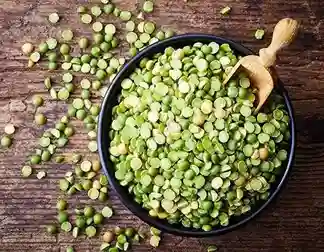
Pea starch is a specialized carbohydrate extracted from yellow and green peas that has gained significant popularity in the modern wellness community. Derived from a common legume, this ingredient is highly valued for its unique nutritional profile and digestive properties. Unlike standard carbohydrates, it functions primarily as a resistant starch, meaning it bypasses initial digestion in the upper gastrointestinal tract. People commonly include it in their daily routines to support gut health and metabolic balance. It is frequently incorporated into dietary supplements, protein powders, and fiber blends to enhance their prebiotic potential. This comprehensive guide explores the science behind pea starch, its biological mechanisms, and how it may support overall wellness when used appropriately. Understanding its unique properties can help you make informed, evidence-based decisions about your daily nutritional intake and overall wellness journey, delivering essential vitamins, minerals, and phytonutrients that support systemic health.
What is Pea Starch?
Scientifically derived from Pisum sativum, pea starch is a complex carbohydrate isolated directly from the starch fraction of dried yellow and green peas. Historically, peas have been cultivated for thousands of years as a vital staple food source across Europe and Asia. Traditional diets utilized whole peas for their sustained energy and impressive nutritional density long before modern extraction methods were developed. In modern supplement use, the starch is carefully extracted and processed to concentrate its resistant starch content. This specific classification makes it distinct from highly digestible starches found in other plants. Today, it is utilized as a functional food ingredient and dietary supplement to deliver targeted prebiotic fiber without the added calories of standard carbohydrates. This makes it an excellent choice for those monitoring their caloric intake while still seeking robust digestive support and metabolic stability throughout their daily routines.
How Does Pea Starch Work?
Pea starch functions primarily as a resistant starch, specifically categorized as RS2 in its raw granular form. When consumed, it resists enzymatic breakdown in the small intestine and travels intact to the large intestine. Once in the colon, it serves as a fermentable substrate for beneficial gut microbiota. This fermentation process produces short-chain fatty acids, most notably butyrate, acetate, and propionate. Butyrate acts as the primary energy source for colonocytes, supporting the structural integrity of the intestinal lining. Additionally, the production of these fatty acids helps lower the pH of the colon, creating an environment that discourages pathogenic bacteria. The slow fermentation rate of pea starch also minimizes the gas and bloating often associated with other rapidly fermentable fibers, promoting prolonged satiety and stabilizing postprandial metabolic responses without causing severe gastrointestinal disruption or unwanted intestinal distress during regular daily consumption.
Potential Health Benefits of Pea Starch
Supports Healthy Digestive Function
Research suggests that the fermentation of this resistant starch yields short-chain fatty acids that actively nourish colon cells. People commonly take it to promote regular bowel movements and maintain a balanced gut microbiome. Preliminary evidence indicates it may help support the structural integrity of the intestinal lining. By fostering beneficial bacteria, it is commonly used for overall gastrointestinal wellness, promoting daily digestive comfort and consistent regularity without causing severe gastrointestinal disruption or unwanted intestinal distress.
Promotes Satiety and Weight Management
Because it bypasses small intestinal digestion, this ingredient does not trigger rapid spikes in blood glucose. Individuals often use it to enhance feelings of fullness after meals. Studies show it may help regulate appetite hormones, which can support healthy weight management efforts. Current evidence suggests it is a useful addition to calorie-conscious dietary formulations, aiding in portion control and sustaining energy levels throughout the day without adding excess dietary calories to the daily nutritional regimen.
Helps Maintain Healthy Blood Sugar Levels
Clinical observations indicate that replacing digestible carbohydrates with resistant starch may improve overall insulin sensitivity. Many take it alongside meals to blunt postprandial glucose responses effectively. Research suggests it slows gastric emptying, which contributes to a more gradual release of energy into the bloodstream. This mechanism makes it a popular choice for those seeking to maintain already healthy blood sugar levels within a normal, optimal range, supporting long-term metabolic wellness and consistent daily energy output.
Supports Healthy Lipid Metabolism
The short-chain fatty acids produced during colonic fermentation may positively influence lipid metabolism in the liver. People frequently include this ingredient to support healthy cholesterol levels already within the normal range. Preliminary research indicates it may help reduce the synthesis of fatty acids. Overall, it is studied for its potential role in maintaining balanced cardiovascular markers and supporting long-term heart health through consistent dietary fiber intake and comprehensive metabolic support over extended periods of time.
Enhances Mineral Absorption
The acidic environment created by bacterial fermentation in the colon can significantly improve the solubility of certain minerals. Evidence suggests this lowered pH may help increase the absorption of essential nutrients like calcium and magnesium. Individuals focused on bone health often use it for this secondary benefit. Current literature highlights its potential to optimize the bioavailability of essential dietary minerals for overall skeletal wellness and structural integrity throughout the aging process and active lifestyle maintenance.
May Improve Exercise Recovery
Emerging research explores the role of gut health in systemic inflammation and physical recovery. By nourishing the gut barrier, this ingredient may help maintain a healthy inflammatory response following intense physical activity. Athletes sometimes use it to support overall metabolic resilience. Preliminary evidence indicates it could be a valuable component in post-workout nutritional strategies to aid in muscle recovery and sustained athletic performance over time, promoting overall systemic wellness and physical endurance during training cycles.
Natural Food Sources
Pea starch occurs naturally in whole yellow and green peas. However, the concentration of resistant starch is highest when the peas are consumed raw or processed in specific ways to prevent gelatinization. Cooking typically gelatinizes the starch, reducing its resistant properties unless it is subsequently cooled, according to comprehensive analytical databases regarding starch retrogradation. This retrogradation process allows some starch molecules to reassociate into a structure that resists digestion. Whole dried yellow and green peas, raw pea flour, and isolated pea starch powder are the most common natural sources available for daily consumption.
Why Is It Included in Dietary Supplements?
Pea starch is frequently added to plant-based protein powders, meal replacements, and dedicated fiber supplements. Its primary purpose is to act as a prebiotic fiber that supports digestive health without adding significant calories. In formulations, it synergizes well with probiotics and other prebiotic fibers like inulin. It also improves the texture and mouthfeel of protein blends. Manufacturers value it for its neutral flavor profile, hypoallergenic nature, and ability to create smooth, easily mixable nutritional powders for daily consumer use. Reputable brands adhere to strict manufacturing standards that prevent intentional adulteration and ensure optimal product purity across various commercial formulations.
Safety and Possible Side Effects
Pea starch is generally recognized as safe for most adults when consumed in appropriate dietary amounts. Because it is a fermentable fiber, introducing it too quickly can cause mild gastrointestinal discomfort. Common side effects include temporary bloating, gas, or changes in bowel habits. To minimize these effects, it is advisable to start with a low dosage and gradually increase intake over several weeks. Individuals with severe gastrointestinal disorders or those following specific low-fiber medical diets should use caution. Always adhere to the recommended serving sizes provided on the product label to ensure optimal tolerance. Drinking plenty of water alongside fiber supplements helps prevent constipation and ensures smooth, comfortable digestion. Proper hydration is essential for maximizing the benefits of any dietary fiber supplement and preventing unwanted physical discomfort during daily use.
Precautions and Possible Interactions
While generally well tolerated, pea starch may interact with certain oral medications by slightly delaying their absorption due to its effect on gastric emptying. Individuals taking diabetes medications should monitor their blood sugar closely, as the ingredient may enhance the glucose-lowering effects. There is insufficient reliable information regarding its concentrated use during pregnancy and breastfeeding, so caution is strongly advised. Those scheduled for surgery should discontinue use a few weeks prior. While certain pharmacological agents carry risks of inducing hepatic encephalopathy in susceptible populations, pea starch maintains a highly favorable safety profile. Anyone with existing medical conditions or those taking prescription medications should consult a qualified healthcare professional before starting any new dietary supplement. This ensures safe integration into your overall health regimen and prevents unintended complications or adverse interactions with your current medical treatments and daily prescription routines.
Current Scientific Research
Human Studies
Clinical trials demonstrate that consuming pea starch significantly increases the abundance of beneficial bacteria like Bifidobacteria and Lactobacilli in the gut microbiome. Human research also confirms its ability to improve postprandial insulin sensitivity and increase feelings of fullness compared to standard digestible starches. These findings highlight the practical applications of resistant starch in everyday human diets and metabolic regulation.
Animal Studies
In murine models, dietary supplementation with pea resistant starch has been shown to reduce diet-induced weight gain and improve overall lipid profiles. Animal studies additionally highlight its role in enhancing colon health by increasing butyrate production and strengthening the intestinal mucosal barrier against pathogens. These controlled environments provide valuable insights into cellular mechanisms and systemic metabolic improvements.
Overall Evidence
The current scientific evidence strongly supports the use of pea starch as an effective prebiotic fiber for gut and metabolic health. While human trials confirm its benefits for digestion and satiety, more long-term clinical studies are needed to fully understand its broader impact on chronic disease prevention. Future research should focus on optimizing extraction methods to maximize resistant starch yield for clinical use.
Frequently Asked Questions
How does pea starch differ from regular dietary fiber?
Unlike soluble fibers that dissolve in water, pea starch is a resistant starch. It bypasses digestion in the small intestine, reaching the colon intact to act as a prebiotic, feeding beneficial gut bacteria without significantly raising blood sugar.
Will pea starch cause bloating or digestive discomfort?
While generally well tolerated, introducing any fermentable fiber rapidly can cause temporary gas or bloating. To minimize discomfort, start with a small daily serving and gradually increase your intake over several weeks while maintaining consistent, adequate hydration.
Is it safe to consume pea starch on a daily basis?
Yes, daily consumption is safe for most healthy adults and helps maintain consistent prebiotic support for the gut microbiome. Always follow the manufacturer’s recommended serving sizes and consult a healthcare professional if you have any underlying gastrointestinal conditions.
How should pea starch be incorporated into a daily diet?
Because it has a neutral flavor, isolated pea starch powder mixes easily into smoothies, oatmeal, or plant-based protein shakes. It can also be used in gluten-free baking to improve texture while adding beneficial resistant starch to your meals.
Does pea starch interact with medications or other supplements?
Pea starch may slightly delay gastric emptying, potentially affecting the absorption rate of certain oral medications. It is highly recommended to consult a qualified healthcare provider before combining it with prescription drugs or other concentrated daily dietary supplements.