
Spermidine is a naturally occurring polyamine compound that has gained significant attention in the health and wellness community. Originally discovered in human semen, it is now widely recognized for its potential role in cellular health and longevity. This compound is found in various everyday foods and is increasingly popular as a dietary supplement. People commonly include it in their daily routines to support cellular renewal and overall vitality. As research continues to uncover its biological mechanisms, spermidine has become a focal point for those interested in evidence-based cellular health strategies. This comprehensive guide explores what spermidine is, how it functions in the body, and what current scientific research suggests about its potential applications for daily wellness and healthy aging.
What is Spermidine?
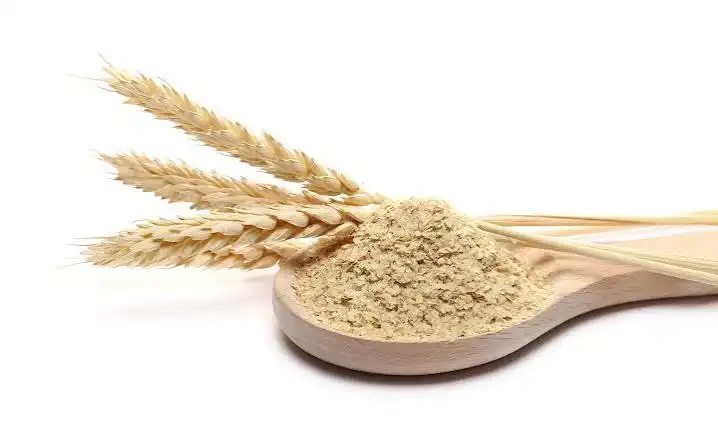
Spermidine is a polyamine, a type of organic compound essential for normal cell growth and development. Its name originates from its initial isolation from human semen, though it is now known to be ubiquitous in all living cells. Naturally, it is synthesized in the body from the amino acid ornithine. Historically, polyamines were identified in the late nineteenth century, but spermidine specific research expanded significantly in the late twentieth century. Traditional diets have always included spermidine through plant based foods. Today, modern supplement use focuses on isolated spermidine, often derived from wheat germ extract. This concentrated form allows individuals to easily incorporate this vital polyamine into their daily nutritional regimen to support fundamental cellular processes and overall physiological health.
How Does Spermidine Work?
Inside the body, spermidine functions primarily by promoting macroautophagy, a critical cellular cleanup process. Autophagy allows cells to degrade and recycle damaged or dysfunctional components, thereby maintaining cellular health and efficiency. By inhibiting a specific enzyme called EP300, spermidine triggers this recycling mechanism at the molecular level. This process helps remove toxic proteins and damaged structures, which is absolutely vital for cellular longevity. Furthermore, spermidine plays a crucial role in DNA stabilization and gene expression. It is readily absorbed in the gastrointestinal tract and distributed throughout various tissues. Once inside the cells, it interacts with multiple macromolecules, supporting overall metabolic function and helping to maintain the structural integrity of cellular components during periods of stress, aging, or environmental exposure.
Potential Health Benefits of Spermidine
Supports Cellular Renewal and Longevity
Research suggests that spermidine may help support cellular renewal by actively enhancing internal cleanup mechanisms. This natural process removes damaged components, which is why people commonly take it to promote healthy aging and recycle worn out organelles. Preliminary evidence indicates that maintaining optimal polyamine levels may support overall wellness as individuals grow older. Current evidence continues to explore its vital role in long term cellular health and biological maintenance across various human tissues.
Promotes Cardiovascular Health
Spermidine has been studied for its potential to support heart health and vascular function. Observational studies suggest that higher dietary intake of this polyamine may help maintain healthy blood pressure levels already within the normal range. People commonly use it to support overall cardiovascular wellness. Current evidence highlights its potential role in promoting healthy endothelial function, providing essential cardioprotection, and maintaining a healthy heart as part of a balanced lifestyle.
Enhances Cognitive Function
Emerging research indicates that spermidine may support brain health and cognitive function over time. Animal models consistently show that it may help protect neurons and support memory retention. People commonly take it to maintain mental clarity and daily focus. Preliminary evidence indicates that its ability to stimulate cellular cleanup in the brain may support overall neurological wellness, though more human studies are needed to validate these specific cognitive benefits.
Supports Immune System Function
This polyamine is commonly used for its potential to support a balanced immune response. Research suggests that spermidine may help regulate immune cell activity and promote healthy T cell function. By supporting cellular renewal within the immune system, it may help maintain overall wellness. Current evidence shows that adequate polyamine levels are absolutely important for proper immune cell development, robust pathogen defense, and optimal systemic function.
Aids in Metabolic Health
Spermidine has been studied for its potential role in supporting healthy metabolic function. Preliminary evidence indicates it may help improve insulin sensitivity and support healthy glucose metabolism. People commonly take it to maintain balanced energy levels and support overall metabolic wellness. Current evidence suggests that by actively promoting cellular health, it may assist in maintaining a healthy metabolic rate, supporting energy homeostasis, and optimizing daily energy production.
Promotes Hair and Skin Health
Many individuals use spermidine to support healthy hair growth and skin vitality. Research suggests that its ability to promote cellular renewal may help support the health of hair follicles and skin cells. People commonly take it to maintain a youthful appearance and support tissue health. Preliminary evidence indicates that optimizing polyamine levels may support overall skin wellness and natural tissue regeneration processes through various pleiotropic biological mechanisms.
Natural Food Sources
Spermidine is naturally present in a variety of everyday foods, particularly plant based options. The richest dietary sources include wheat germ, aged cheese, mushrooms, soy products, green peas, and broccoli. Including these foods in your daily diet is an excellent way to naturally increase your dietary sources of this vital polyamine. While the body synthesizes some spermidine internally, dietary intake remains essential for maintaining optimal levels and supporting overall cellular health.
Why Is It Included in Dietary Supplements?
Spermidine is commonly included in anti aging, longevity, and cellular health supplement categories. It is often paired with synergistic ingredients like resveratrol, quercetin, or NAD boosters to enhance overall cellular support. The primary purpose of adding it to formulations is to provide a concentrated dose that may be difficult to achieve through dietary intake alone. Typical formulations feature wheat germ extract, which offers a natural, highly bioavailable source of this polyamine. These supplements are designed to support fundamental biological processes.
Safety and Possible Side Effects
Spermidine is generally considered safe for most adults when consumed through natural food sources or standard dietary supplements. At appropriate dosages, it is well tolerated by the majority of users. Some individuals may experience mild side effects, such as minor digestive discomfort, nausea, or headaches when first starting supplementation. To minimize these issues, it is highly advisable to start with a lower dose and gradually increase it over several weeks. Pregnant women, nursing mothers, and individuals with underlying health conditions should use caution. Always follow the recommended dosage guidelines provided on the supplement label. Proper hydration also helps ensure smooth digestion.
Precautions and Possible Interactions
Before starting any new supplement, individuals should consult a qualified healthcare professional, especially if taking prescription medications. Spermidine may interact with blood thinning medications or diabetes drugs, potentially altering their therapeutic effects. Pregnant and breastfeeding women should avoid supplementation due to a lack of sufficient clinical safety data. Individuals scheduled for surgery should stop taking it at least two weeks prior, as it may affect blood flow or tissue healing. Those with existing medical conditions, particularly autoimmune disorders or cancer, must exercise extreme caution to prevent adverse interactions with their current treatment protocols. This proactive approach guarantees a safe experience.
Current Scientific Research
Human Studies
Clinical research on spermidine in humans is expanding rapidly. Observational studies suggest that higher dietary intake of polyamines is associated with reduced mortality and improved cardiovascular health. Small clinical trials indicate it may support cognitive function and memory in older adults, though large scale randomized controlled trials are still needed to confirm these findings.
Animal Studies
Animal and laboratory research provides strong foundational evidence. Studies in mice, flies, and yeast demonstrate that spermidine supplementation significantly extends lifespan and improves healthspan. Laboratory models show it effectively induces autophagy, protects against cellular stress, and improves cardiac and cognitive function in aging models.
Overall Evidence
The overall strength of current evidence is promising but still developing. While animal models show robust benefits for longevity and cellular health, human data remains largely observational or preliminary. More rigorous, large scale human clinical trials are necessary to fully establish its efficacy, optimal dosing, and long term safety.
Frequently Asked Questions
What is spermidine used for?
Spermidine is primarily used to support cellular renewal, promote healthy aging, and enhance overall vitality. People take it to encourage internal cleanup mechanisms, maintain cognitive function, and support cardiovascular health as part of a comprehensive daily wellness routine.
Is it safe to take?
Yes, spermidine is generally considered safe for most adults when taken at recommended dosages. It is well tolerated, though some users may experience mild digestive discomfort. Consulting a healthcare professional before starting any new supplement is always advised.
Can it be taken every day?
Yes, spermidine can be taken daily as part of a regular supplement regimen. Consistent daily use helps maintain optimal polyamine levels in the body. Always follow the specific dosage instructions provided on the product label or by your doctor.
What foods contain it?
This polyamine is naturally found in many plant based and fermented foods. Excellent dietary sources include wheat germ, aged cheese, mushrooms, soy products, green peas, and broccoli. Eating a balanced diet rich in these foods helps maintain natural levels.
Can it be combined with other supplements?
Yes, it is frequently combined with other longevity and cellular health supplements like resveratrol, quercetin, and NAD precursors. These ingredients work synergistically to support overall wellness. Always check with a healthcare provider before combining multiple new supplements.